5 Designer Secrets to Choosing the Right Rug for Your Home
Choosing the right rug seems simple — until you actually start shopping.
Most people quickly realize there are hundreds of options, dozens of sizes, and endless styles. Without a little guidance, it’s easy to choose something that looks great in the store but feels completely wrong once it’s in your home.
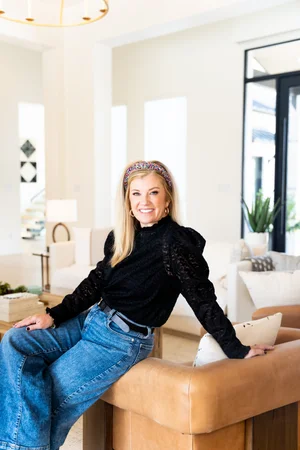
After designing homes for more than two decades, I’ve learned that a rug can either quietly pull a room together — or unintentionally throw everything off.
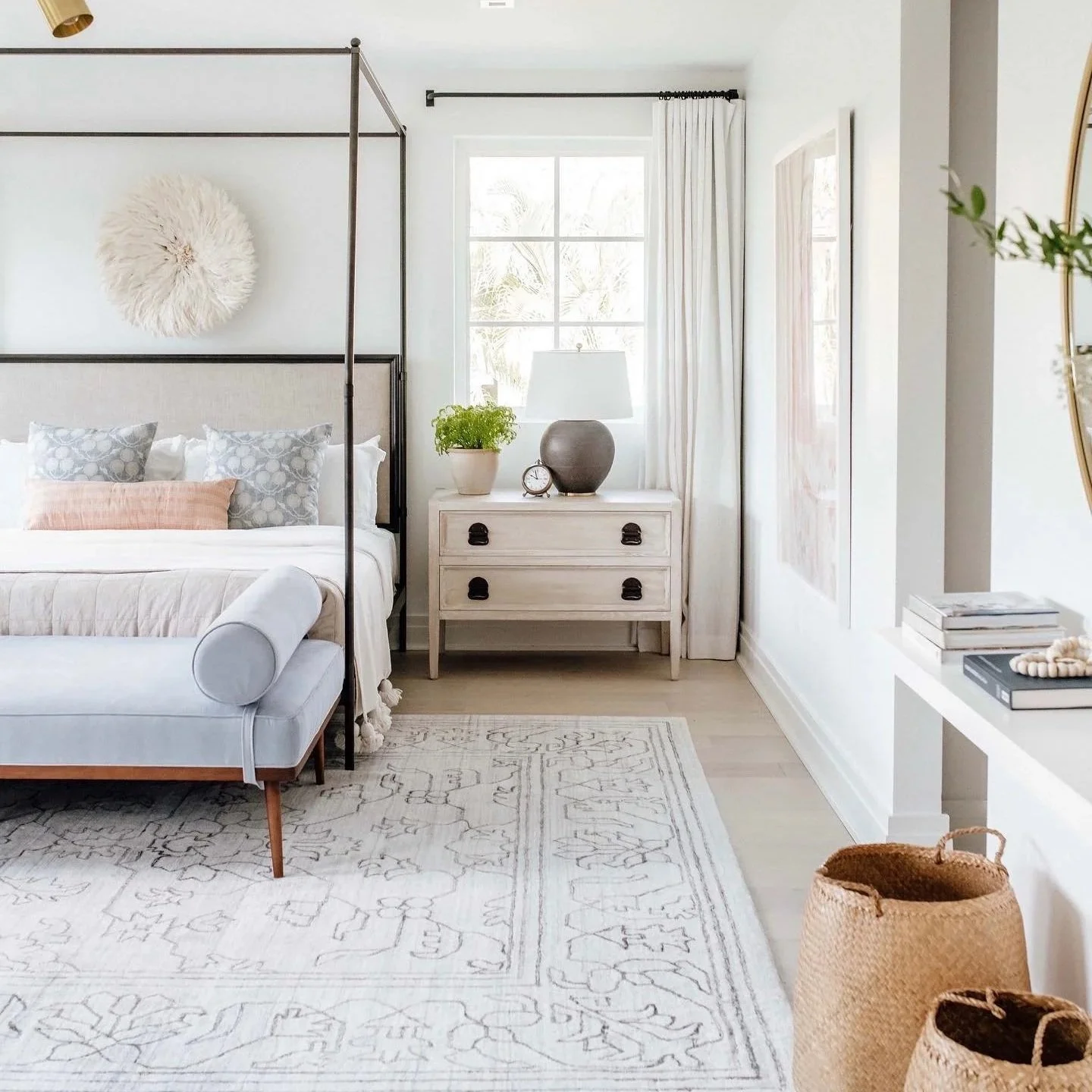
Here are a few designer secrets that make choosing the right rug much easier.
1. Bigger Is Almost Always Better
The number one mistake homeowners make is choosing a rug that’s too small.
A properly sized rug should anchor the furniture in a room. In most living rooms, that means at least the front legs of the sofa and chairs should sit on the rug.
When the rug is too small, furniture appears to float around the room. When the scale is correct, the entire space immediately feels more intentional and balanced.
2. Rugs Should Complement, Not Compete
A rug is often one of the largest visual elements in a room, which means it has a big impact on the overall design.
But that doesn’t mean it should dominate the space.
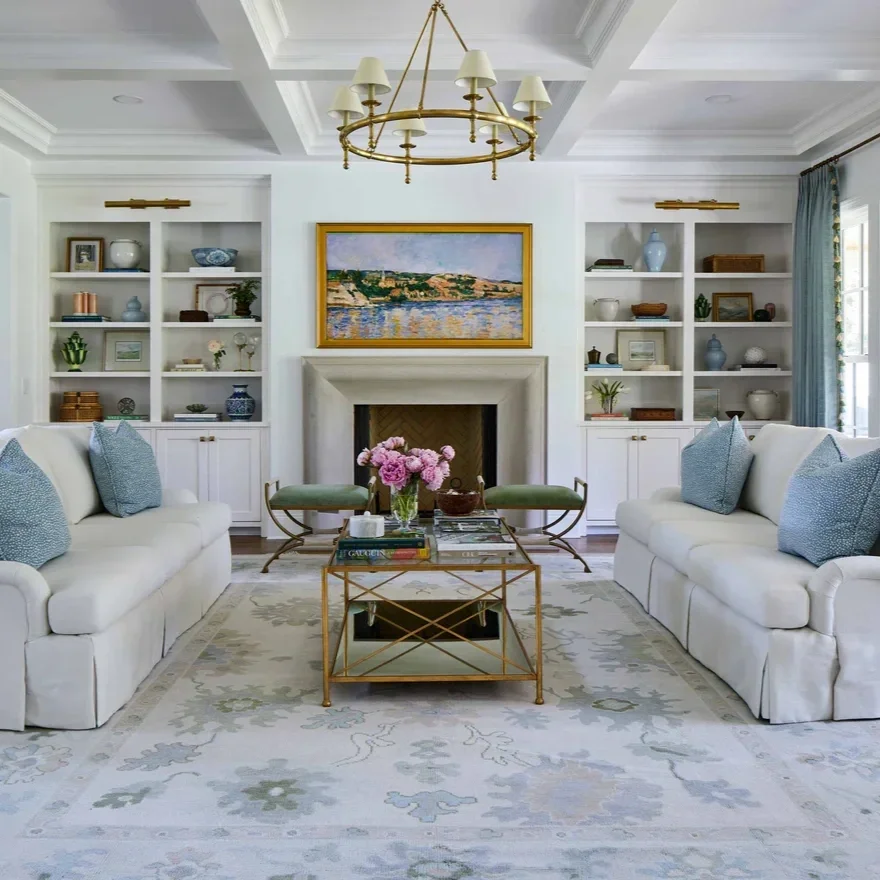
The most successful rugs usually have soft patterns and layered tones that blend beautifully with the room rather than overpower it.
This is one reason vintage-inspired rugs have remained so popular with designers — they add character without stealing the spotlight.
3. Natural Fibers Age Better
When possible, designers tend to favor natural fibers like wool.
Wool rugs are known for their durability, softness, and ability to age gracefully over time. They hold their color well, resist wear, and often look even better as they develop a little character.
Synthetic rugs can be useful in certain situations, but in main living spaces, natural materials typically offer the best longevity.
4. Color Should Relate to the Room — Not Match It
A rug doesn’t need to match the room exactly.
Instead, it should relate to the color palette already in the space.
Often the most beautiful rugs contain several soft tones that echo colors found in upholstery, artwork, or accessories. This creates a layered look that feels natural and collected rather than overly coordinated.
5. Always Consider the Lighting
Lighting can dramatically affect how a rug appears.
A rug that looks warm and muted in a showroom may feel completely different once it’s placed in a home with natural sunlight, different flooring, and surrounding colors.
That’s one reason designers prefer to evaluate rugs in the actual space whenever possible.
A Rug Is Often the Finishing Layer
Many people think of rugs as the final accessory added to a room, but in reality they often help bring everything together.
The right rug adds warmth, texture, and balance — quietly supporting the entire design of the space.
And when it’s the right one, the room simply feels finished
If you're unsure what size or style rug works best in your home, The Rug Concierge offers curated in-home rug consultations designed to simplify the process. Simply email hello@therugconcierge.com to get started.